Mouthwash and Your Health: Does It Harm the Oral Microbiome? (2026)
Mouthwash can reduce plaque, gingivitis, bad breath and tooth decay—but some antimicrobial formulations also alter the oral microbiome. What does the evidence really tell us about chlorhexidine, nitric oxide, blood pressure, diabetes and long-term health?
Quick Answer
Mouthwash is neither universally harmful nor universally necessary.
Therapeutic mouthrinses can provide meaningful dental benefits, particularly for people with gingivitis, plaque, elevated cavity risk or specific dental conditions. However, antimicrobial rinses can also alter the oral microbial ecosystem.
The important distinction is between demonstrated dental benefits and hypotheses about long-term systemic effects. Current evidence does not establish that routine mouthwash use causes hypertension, diabetes, cardiovascular disease or Alzheimer's disease.
The strongest evidence concerns the dental effects of mouthrinses. Evidence that antimicrobial mouthwash causes clinically important systemic disease is considerably weaker and remains an area of active research.
The Bottom Line
Mouthwash is not inherently bad.
The American Dental Association distinguishes between cosmetic and therapeutic mouthrinses. Therapeutic formulations may help control plaque, gingivitis, bad breath and tooth decay, depending on their active ingredients and intended use.
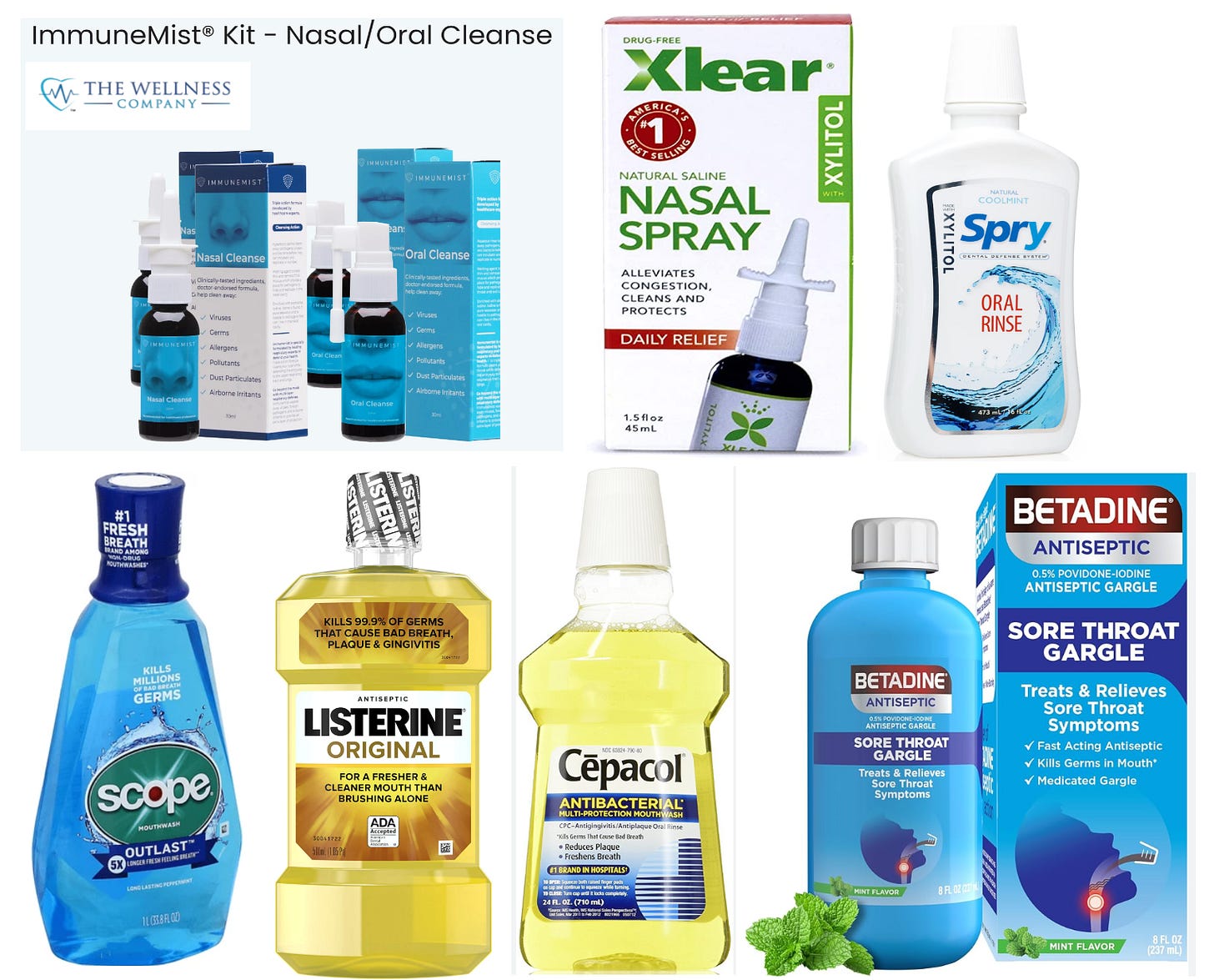
Mouthwash is an adjunct to mechanical oral hygiene, not a replacement for brushing and cleaning between the teeth.
The more interesting scientific question is whether repeatedly disrupting oral bacteria can also disrupt useful microbial functions.
Your Mouth Is an Ecosystem, Not a Sterile Surface
The oral cavity contains a complex community of microorganisms. Some organisms contribute to dental disease, while others participate in normal ecological processes.
This has changed the traditional concept of oral hygiene from simply “killing bacteria” toward maintaining a healthier microbial ecosystem.
Antimicrobial mouthrinses can alter this ecosystem. The magnitude and duration of those changes depend on the active ingredient, concentration, frequency and individual oral environment.
The existence of these changes is reasonably well supported. Their long-term systemic consequences are much less certain.
Not All Mouthwash Is the Same
| Type / Ingredient | Primary Purpose | Evidence / Consideration |
|---|---|---|
| Fluoride | Help prevent tooth decay | Supported for appropriate populations and indications. |
| Chlorhexidine | Therapeutic antimicrobial treatment | Effective against plaque and gingivitis; generally intended for specific clinical indications rather than indefinite routine use. |
| Cetylpyridinium chloride | Plaque, gingivitis and bad-breath control | Evidence supports adjunctive use in appropriate patients. |
| Essential oils | Plaque and gingivitis control | Certain formulations have clinical evidence supporting adjunctive use. |
| Peroxide | Some whitening and oral-care applications | Concentration and formulation matter; more antimicrobial activity does not automatically mean better long-term outcomes. |
| Cosmetic rinse | Temporary fresh breath | May provide primarily cosmetic rather than therapeutic benefits. |
Why Chlorhexidine Gets Attention
Chlorhexidine is one of the most effective antiseptic agents used in dentistry. It can be useful in selected periodontal and postoperative situations.
But effectiveness comes with trade-offs.
Chlorhexidine can cause tooth and tongue staining, taste changes and increased calculus formation. It can also substantially alter the oral microbial ecosystem.
For these reasons, chlorhexidine is generally better regarded as a targeted therapeutic intervention rather than an indefinite everyday mouthwash.
The Mouthwash–Nitric Oxide Connection
One of the most scientifically interesting mechanisms involves dietary nitrate and nitric oxide.
Vegetables such as leafy greens and beetroot contain nitrate. Oral bacteria can participate in converting nitrate into nitrite, which contributes to the nitrate–nitrite–nitric oxide pathway.
Nitric oxide has important roles in vascular biology, including regulation of blood-vessel tone.
Could broad antimicrobial activity in the mouth interfere with beneficial nitrate-reducing bacteria?
The answer appears to be yes at the mechanistic level: antimicrobial agents can affect bacteria involved in nitrate metabolism.
But the next question is much harder:
Does that translate into clinically important long-term disease?
Current evidence does not establish that conclusion.
Does Mouthwash Raise Blood Pressure?
This is one of the most frequently repeated claims surrounding mouthwash.
Experimental research has suggested that antiseptic mouthwash can reduce oral nitrate-reducing activity and influence blood-pressure-related physiology.
However, clinical evidence is more cautious than the mechanistic story might suggest.
Available clinical evidence has not established a clinically important increase in blood pressure caused by routine mouthwash use. Mechanistic effects on nitrate metabolism should not be presented as proof that mouthwash causes hypertension.
In other words:
Mechanism: antimicrobial mouthwash can alter nitrate-reducing oral bacteria.
Clinical outcome: it has not been established that ordinary mouthwash use causes hypertension.
What About Diabetes?
Researchers have investigated whether frequent mouthwash use could be associated with metabolic dysfunction.
Some observational studies have reported associations between frequent mouthwash use and future metabolic abnormalities.
But observational associations are vulnerable to confounding.
People who frequently use mouthwash may differ from non-users in oral health, diet, smoking, socioeconomic status, healthcare behavior and underlying metabolic risk.
Therefore, it is premature to conclude:
“Mouthwash causes diabetes.”
A more defensible interpretation is that the relationship between oral microbial ecology, periodontal health and metabolic disease deserves further research.
What About Heart Disease and Alzheimer's Disease?
The oral microbiome is increasingly being investigated in relation to cardiovascular and neurological health.
There are plausible biological pathways involving inflammation, microbial metabolites, immune signaling and nitric oxide metabolism.
However, the existing evidence does not justify claiming that mouthwash causes heart disease or Alzheimer's disease.
Alcohol and Other Ingredients
Alcohol-containing mouthwash is sometimes described as inherently harmful. The reality is more nuanced.
Dry mouth can have many causes, including medications, dehydration, aging and medical conditions. For people who already experience dry mouth or oral irritation, an alcohol-free formulation may be reasonable.
Likewise, an ingredient should not be considered dangerous simply because it has a chemical-sounding name.
Safety depends on dose, concentration, route of exposure, frequency, duration and individual susceptibility.
Are Natural Alternatives Better?
Salt-water rinsing
Salt-water rinses are inexpensive and commonly used for short-term soothing and postoperative oral care. They should not be considered a replacement for routine brushing and interdental cleaning.
Hydrogen peroxide
Hydrogen peroxide has antimicrobial activity, but stronger antimicrobial activity does not automatically translate into better long-term oral health. Concentration and frequency matter.
Baking soda
Baking soda is used in many oral-care products and can have useful cleansing properties. Homemade high-concentration preparations should not automatically be assumed to be superior to tested products.
Oil pulling
Oil pulling has some evidence for improving selected oral-health measures, but the evidence remains less established than for conventional preventive dental care.
Herbal and essential-oil rinses
Plant-derived compounds can have genuine antimicrobial effects.
Therefore, “natural” does not necessarily mean “microbiome-neutral.”
Should You Use Mouthwash?
You may benefit from mouthwash if:
- You have gingivitis or elevated plaque levels.
- Your dentist recommends an antimicrobial rinse.
- You have elevated cavity risk and are advised to use a fluoride rinse.
- You have difficulty cleaning certain areas mechanically.
- You need a specific therapeutic rinse after a dental procedure.
You may not need routine mouthwash if:
- Your teeth and gums are healthy.
- You brush effectively twice daily.
- You clean between your teeth.
- You have no specific dental indication.
- You are using mouthwash simply because you assume more antimicrobial activity is always better.
| Situation | Practical Approach |
|---|---|
| Healthy mouth | Mouthwash may be optional. |
| Bad breath | Investigate the underlying cause rather than simply masking symptoms. |
| Gingivitis | Prioritize brushing and interdental cleaning; therapeutic mouthwash may be useful. |
| High cavity risk | Discuss fluoride mouthwash with a dental professional. |
| Periodontal disease | Follow dentist or periodontist guidance. |
| After a dental procedure | Use a prescribed rinse exactly as directed. |
| Long-term chlorhexidine use | Do not assume it is appropriate indefinitely; follow professional guidance. |
| Dry mouth | Consider an alcohol-free product and investigate underlying causes. |
| Concern about the oral microbiome | Avoid unnecessary prolonged use of broad-spectrum antimicrobial products. |
| Children younger than 6 | Use mouthrinse only when specifically directed by a dentist. |
Evidence-Graded Summary
| Claim | Evidence Level | Current Interpretation |
|---|---|---|
| Therapeutic mouthrinses can reduce plaque and gingivitis | HIGH | Supported for specific formulations when used as an adjunct to mechanical oral hygiene. |
| Fluoride mouthrinse can help prevent tooth decay | HIGH | Supported for appropriate populations and indications. |
| Chlorhexidine alters the oral microbial ecosystem | MODERATE | Well supported biologically; the clinical significance of long-term changes remains less certain. |
| Antimicrobial rinses affect nitrate metabolism | MODERATE | Supported by experimental and mechanistic evidence. |
| Mouthwash causes hypertension | UNCERTAIN | Not established by current clinical evidence. |
| Mouthwash causes diabetes | UNCERTAIN | Some observational associations exist, but causation has not been demonstrated. |
| Mouthwash causes cardiovascular disease | UNCERTAIN | No adequate evidence establishes causation. |
| Mouthwash causes Alzheimer's disease | UNCERTAIN | This remains a hypothesis requiring further research. |
The Key Message
Do not confuse killing bacteria with improving health.
The modern microbiome perspective suggests that oral health is about maintaining ecological balance—not creating a completely sterile mouth.
But this does not mean antimicrobial mouthwash is inherently harmful. Some formulations have well-established clinical benefits.
The better question is:
Which mouthwash, for which person, for which indication, and for how long?
Frequently Asked Questions
Is mouthwash bad for you?
Not necessarily. Therapeutic mouthwash can provide genuine dental benefits. However, unnecessary long-term use of powerful antimicrobial formulations may alter the oral microbiome.
Does mouthwash kill good bacteria?
Some antimicrobial mouthwashes can reduce or alter populations of oral bacteria, including organisms involved in nitrate metabolism. The long-term clinical significance remains uncertain.
Can mouthwash cause high blood pressure?
Current evidence does not establish that routine mouthwash use causes hypertension. Some antimicrobial rinses can affect the oral nitrate–nitrite pathway, but the clinical significance remains uncertain.
Is chlorhexidine mouthwash safe?
Chlorhexidine can be an effective therapeutic mouthwash when appropriately used. It can cause staining, taste changes and other local effects, so it is generally used for specific indications rather than indefinitely.
Is alcohol-free mouthwash better?
Not universally. Alcohol-free products may be preferable for some people, particularly those experiencing dry mouth or irritation. The best choice depends on the product's purpose and active ingredients.
Does mouthwash prevent cavities?
Fluoride-containing mouthrinses can help prevent tooth decay in appropriate populations. Mouthwash does not replace fluoride toothpaste or regular dental care.
Should children use mouthwash?
Children younger than six generally should not use mouthrinse unless directed by a dentist because of the risk of swallowing it.
Is natural mouthwash safer?
Not automatically. Natural compounds can have genuine antimicrobial effects. “Natural” does not necessarily mean safer, more effective or less disruptive to the oral microbiome.
Can mouthwash cause diabetes?
Observational studies have investigated an association between frequent mouthwash use and metabolic disease, but they do not establish that mouthwash causes diabetes.
What is more important than mouthwash?
Regular brushing with fluoride toothpaste, cleaning between the teeth, controlling dietary sugar, addressing gum disease and maintaining regular dental care are more fundamental to oral health than simply adding mouthwash.
Selected Sources
- American Dental Association — Mouthrinse (Mouthwash)
- American Dental Association — Oral Health Topics
- PubMed — National Library of Medicine database for systematic reviews and clinical research on mouthwash, oral microbiome and nitrate metabolism.
- https://www.theepochtimes.com/health/is-mouthwash-ruining-our-health-5316888


.png)


Comments
Post a Comment