10 Science-Backed Supplements for Post-Viral Recovery (2026)
Introduction
Recovering from a viral infection, whether COVID-19 or another illness, can be a slow and frustrating process. Persistent fatigue, brain fog, weakened immunity, and muscle aches are common post-viral symptoms. While rest, hydration, and a balanced diet are essential, certain science-backed supplements can accelerate recovery and support your body’s healing process.
In this guide, we’ll explore the most effective supplements for post-viral recovery, backed by research, and provide practical tips for safe and effective use.
1. Vitamin D
Vitamin D is a crucial regulator of the immune system and inflammation. Studies show that adequate vitamin D levels can help the body fight infections and support recovery after viral illnesses.
Benefits: Enhances immune response, reduces inflammation, supports bone and muscle health.
Recommended Dosage: 1,000–4,000 IU daily, depending on blood levels.
Evidence: Martineau et al., BMJ, 2017; Grant et al., Nutrients, 2020.
2. Vitamin C
Vitamin C is a powerful antioxidant that protects cells from oxidative stress caused by viral infections. It also supports the function of immune cells and may help shorten the duration of post-viral symptoms.
Benefits: Supports immune cell function, reduces oxidative stress, may improve recovery time.
Recommended Dosage: 500–1,000 mg daily; up to 2,000 mg is generally safe.
Evidence: Hemilä & Chalker, Cochrane Review, 2013.
3. Zinc
Zinc is essential for immune cell signaling, wound healing, and tissue repair. Research shows zinc supplementation can improve outcomes in respiratory viral infections.
Benefits: Supports immune function, aids recovery, reduces inflammation.
Recommended Dosage: 15–30 mg daily; avoid long-term high doses above 40 mg/day.
Evidence: Skalny et al., Nutrients, 2020.
4. Magnesium
Magnesium plays a key role in energy metabolism, muscle function, and nervous system health. Deficiency can worsen post-viral fatigue and sleep disturbances.
Benefits: Reduces fatigue, improves sleep quality, supports nerve and muscle recovery.
Recommended Dosage: 200–400 mg daily.
Evidence: Nielsen, Magnesium Research, 2010.
5. Omega-3 Fatty Acids (EPA & DHA)
Omega-3s are essential fats with strong anti-inflammatory properties. They support cardiovascular, neurological, and immune health, all of which can be affected after a viral illness.
Benefits: Reduces inflammation, supports brain function, improves heart health.
Recommended Dosage: 1–3 g daily.
Evidence: Calder, Frontiers in Immunology, 2013.
6. N-Acetylcysteine (NAC)
NAC is a precursor to glutathione, the body’s master antioxidant. It helps combat oxidative stress and supports respiratory function, making it particularly beneficial after viral infections affecting the lungs.
Benefits: Boosts antioxidant defenses, supports lung health, reduces oxidative stress.
Recommended Dosage: 600–1,200 mg daily.
Evidence: De Flora et al., European Respiratory Journal, 1997; Zhang et al., Antioxidants, 2021.
7. Probiotics
A healthy gut microbiome is critical for immune function and overall recovery. Probiotics containing Lactobacillus and Bifidobacterium strains have been shown to improve post-viral GI symptoms and enhance immunity.
Benefits: Supports gut health, immune regulation, and overall recovery.
Recommended Dosage: 10–50 billion CFU daily.
Evidence: Hao et al., Cochrane Review, 2015.
8. Nattokinase, bromelain, and curcumin
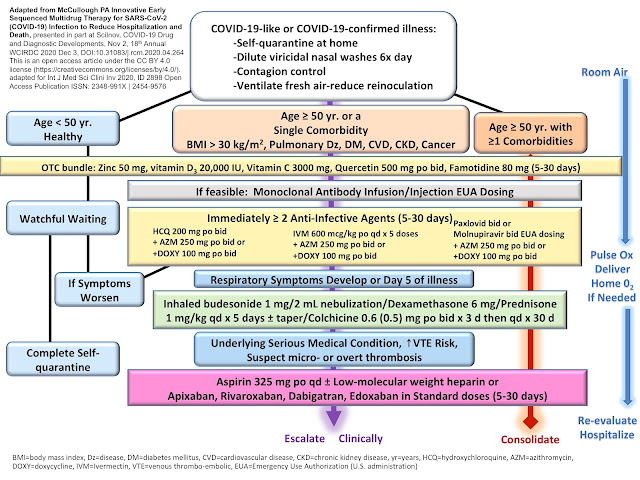
McCullough et al. published in 2023 (Journal of American Physicians and Surgeons) the first rationale for spike protein detoxification, called the McCullough Protocol Base Spike Detoxification: base spike detoxification, that holds considerable promise.- proteolytic degradation of spike protein,
- inhibition of inflammation from spike protein and its fragments in tissues,
- dissolution of microthrombi, and
- anticoagulation.
- Nattokinase 2000 FU (100 mg) twice a day
- Bromelain 500 mg once a day
- Nano/Liposomal Curcumin 500 mg twice a day
Practical Tips for Supplement Use
Test before supplementing: Check blood levels for Vitamin D, magnesium, and zinc when possible.
Combine with a balanced diet: Include protein, fruits, vegetables, and healthy fats.
Start low, go slow: Avoid megadoses without professional supervision.
Track your recovery: Note improvements in energy, sleep, and mental clarity.
Lifestyle Support for Post-Viral Recovery
Prioritize sleep and rest: Essential for immune recovery.
Stay hydrated: Helps detoxification and cellular function.
Gradual exercise: Light movement can improve fatigue and mood.
Stress management: Meditation, breathing exercises, and journaling support recovery.
Safety Considerations
Consult your healthcare provider before starting any supplement, especially if taking medications.
Be mindful of interactions with blood thinners, thyroid medications, or diabetes treatments.
Avoid chronic high doses of fat-soluble vitamins unless directed by a physician.
Conclusion
Supplements can support post-viral recovery, but they work best when combined with rest, a nutrient-rich diet, and healthy lifestyle practices. By incorporating these evidence-based supplements into your recovery plan, you can regain energy, strengthen your immune system, and support long-term wellness.
References (PubMed):
Martineau AR, et al. BMJ, 2017;356:i6583.
Skalny AV, et al. Nutrients, 2020;12(7):1913.
Nielsen FH. Magnesium Research, 2010;23(2):60–72.
Calder PC. Frontiers in Immunology, 2013;4:146.
De Flora S, et al. Eur Respir J, 1997;10:1530–1540.
Zhang Y, et al. Antioxidants, 2021;10(7):1042.
Hao Q, et al. Cochrane Review, 2015;9:CD006895.
McCullough et al. Clinical Rationale for SARS-CoV-2 Base Spike Protein Detoxification in Post COVID-19 and Vaccine Injury Syndromes. Journal of American Physicians and Surgeons, 2023.
Huscher et al. Clinical Approach to Post-acute Sequelae After COVID-19 Infection and Vaccination. Cureus, 2023.




Comments
Post a Comment