Hantavirus, Ebola Virus, Zinc and Dr Zelenko: Could a Simple Antiviral Strategy Work Against RNA Viruses?
In May 2026, a resurfaced video from the late Vladimir Zelenko (“Dr. Zev” Zelenko) went viral again on X, generating more than 1.5 million views and reigniting debate about zinc, vitamin D, and low-cost antiviral strategies.
In the 2-minute clip (video below), Zelenko explains a concept he promoted heavily during the COVID-19 pandemic: many dangerous viruses share the same replication machinery, and therefore may share similar therapeutic vulnerabilities.
The video specifically references:
COVID-19
Influenza
RSV
Marburg virus disease
His argument centers on zinc, zinc ionophores, and RNA-dependent RNA polymerase (RdRp), the enzyme many RNA viruses use to replicate.
But does the science support the claim?
Here’s a balanced, evidence-based review.
What Is Hantavirus?
Hantaviruses are rodent-borne RNA viruses that can cause severe human disease.
Depending on the region and viral strain, infection may lead to:
Hantavirus Pulmonary Syndrome (HPS)
Hemorrhagic Fever with Renal Syndrome (HFRS)
Symptoms can include:
fever,
muscle aches,
cough,
shortness of breath,
low blood pressure,
kidney dysfunction,
respiratory failure.
Although rare, hantavirus infections can be deadly, especially when diagnosis and supportive treatment are delayed.
Unlike common respiratory viruses, hantavirus infections are usually acquired through exposure to infected rodent urine, droppings, or aerosolized particles..png)
The Core Idea Behind Zelenko’s Viral Theory
Zelenko’s central point is biologically straightforward:
Many dangerous viruses are single-stranded RNA (ssRNA) viruses that rely on the same type of replication enzyme.
That enzyme is called RNA-dependent RNA polymerase (RdRp).
ssRNA Virus > RNA-dependent RNA polymerase (RdRp) > Viral replication
Examples include:
SARS-CoV-2
Influenza
RSV
Ebola
Marburg
Hantavirus
Because these viruses share similar replication mechanisms, Zelenko argued that increasing intracellular zinc could potentially interfere with viral replication across multiple RNA viruses.
Can Zinc Inhibit Viral Replication?
Laboratory research suggests zinc may interfere with viral replication under certain conditions.
Several in-vitro studies have shown that elevated intracellular zinc concentrations can inhibit RNA polymerase activity in some RNA viruses.
The proposed mechanism is:
This concept is scientifically plausible and has been discussed for years in antiviral research.
However, there is a major caveat:
laboratory findings do not automatically translate into successful human treatments.
The concentrations used in cell culture experiments may not be achievable safely in humans.
What Are Zinc Ionophores?
Zinc cannot easily enter cells on its own.
Zelenko therefore emphasized the use of “zinc ionophores” — compounds believed to help transport zinc into cells.
Commonly discussed ionophores include:
quercetin,
hydroxychloroquine (HCQ),
EGCG (green tea extract).
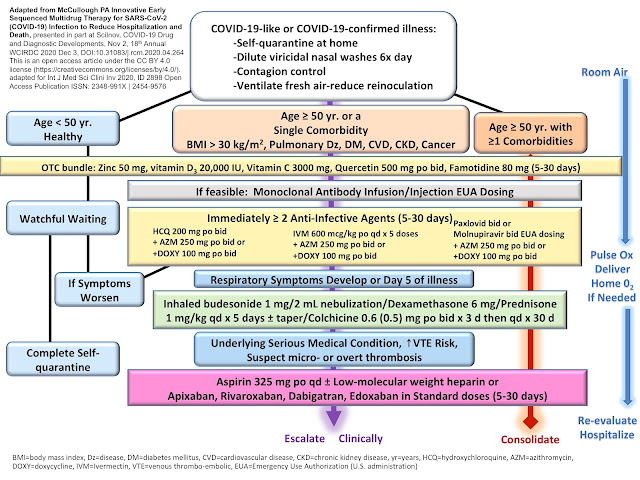
During the COVID-19 pandemic, Zelenko’s famous “Z-Stack” protocol combined:
zinc,
quercetin or HCQ,
vitamin D3,
vitamin C.
Supporters believed this combination enhanced antiviral activity while supporting immune function.
Does This Work for Hantavirus?
At present, there is no high-quality clinical evidence proving that Zelenko’s protocol effectively treats hantavirus infection.
Current standard medical management for hantavirus remains supportive care, including:
oxygen therapy,
IV fluids,
ICU monitoring,
mechanical ventilation when necessary,
ECMO in severe cases.
No major infectious disease organization currently recommends:
zinc + quercetin,
hydroxychloroquine,
vitamin D, as established hantavirus treatments.
This distinction is important.
Biological plausibility is not the same as clinical proof.
What About COVID-19 Evidence?
The debate surrounding Zelenko’s protocol largely stems from the COVID-19 era.
Evidence for HCQ + zinc in COVID-19 remains controversial:
some observational studies suggested benefit: A retrospective study analyzing Dr Zelenko's patient data was accepted for publication after a rigorous peer review process. The study finds that early intervention and treatment of high-risk patients with COVID-19 resulted in significantly fewer hospitalizations and deaths. The treatment consisting of zinc, low-dose hydroxychloroquine (HCQ), and azithromycin, is also referred to as "The Zelenko Protocol."
several randomized controlled trials showed limited or no significant improvement,
health authorities in many countries ultimately advised against routine hydroxychloroquine use.
Critics argued:
evidence quality was weak,
studies were inconsistent,
cardiac risks existed with HCQ.
Supporters argued:
treatment timing mattered,
early outpatient use was under-studied,
zinc was often omitted from trials.
The disagreement remains highly polarized even years later.
Vitamin D and Immune Function
Among Zelenko’s recommendations, vitamin D likely has the strongest mainstream scientific support.
Vitamin D plays important roles in:
immune regulation,
inflammatory signaling,
innate immune defense.
Low vitamin D levels have been associated with worse outcomes in several infectious diseases.
Adequate Vitamin D > Improved immune regulation.
However:
correcting deficiency is not the same as curing viral illness,
megadoses can be harmful,
blood-level monitoring is recommended for high-dose supplementation.
Why the Video Resonates With Millions
The viral success of the clip reflects more than science.
Zelenko became a symbolic figure during the pandemic:
to supporters, he represented medical independence and low-cost early treatment;
to critics, he represented overconfident extrapolation from limited evidence.
His communication style was highly effective:
simple,
urgent,
emotionally direct,
easy for non-scientists to understand.
The idea that inexpensive, over-the-counter interventions might help against major viral threats remains deeply appealing to many people.
Is Hantavirus a Bioterror Threat?
In the video, Zelenko frames hantavirus and similar RNA viruses as potential national-security threats.
While RNA viruses can theoretically be weaponized or manipulated, naturally occurring hantavirus outbreaks are typically:
localized,
rodent-associated,
relatively rare.
Public health experts generally do not classify hantavirus as an imminent widespread bioterror threat.
Still, emerging infectious diseases remain an ongoing global concern.
Practical Takeaways
Here’s the balanced bottom line:
What Is Scientifically Reasonable
Zinc has antiviral mechanisms in laboratory studies.
Vitamin D supports immune health.
RNA viruses do share conserved replication pathways.
Exploring repurposed therapies is scientifically legitimate.
What Remains Unproven
Zelenko’s exact protocol for hantavirus.
Broad efficacy across all RNA viruses.
Reliable clinical benefit from zinc ionophore combinations.
What Should Not Be Ignored
Severe hantavirus infection is a medical emergency.
Supplements are not substitutes for hospital care.
Long-term high-dose zinc may cause copper deficiency and other complications.
Final Thoughts
The resurfaced video from Vladimir Zelenko is compelling because it combines:
real virology,
simple explanations,
inexpensive interventions,
distrust of institutional medicine,
and a strong emotional message.
Its core biological idea is not “crazy” or pseudoscientific:
many RNA viruses do share common replication mechanisms.
But the leap from laboratory theory to proven clinical treatment remains substantial.
For now, the video is best viewed as:
an interesting antiviral hypothesis,
a reflection of Zelenko’s medical philosophy,
and a reminder that low-cost repurposed therapies continue to attract major public interest in the post-COVID era.
If you are concerned about hantavirus or any severe viral illness, seek professional medical care promptly.
Sources & References:
- Cruise Ship Virus Outbreaks in 2026: Hantavirus and Norovirus Raise Global Health Concerns
- Beyond the Breach: Taming the Hantavirus Threat with Favipiravir - Dr Peter McCullough
- Hantavirus Outbreak on MV Hondius Cruise Ship - Focal Points

Recommended by our Chief Medical Board, choose Natural Immunity and give yourself a powerful daily immune boost of vitamins and botanicals.




Comments
Post a Comment