Long COVID Treatment Protocol (2026): A Multi-Target Strategy for Recovery
Why Long COVID Requires a Multi-Target Protocol
Long COVID is not driven by a single mechanism. As outlined in pathophysiology research, it involves:
Immune dysregulation
Viral/spike protein persistence
Microvascular dysfunction (microclots)
Mitochondrial impairment
Autonomic nervous system imbalance
👉 This means single-drug approaches often fail.
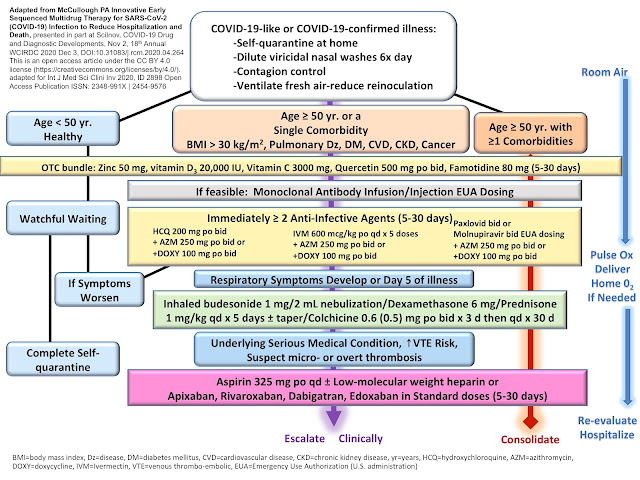
Instead, effective strategies tend to be layered and personalized..png)
The 5-Pillar Long COVID Protocol Framework
1. Immune Modulation
Goal:
Reduce chronic inflammation while restoring immune balance.
Core strategies:
Anti-inflammatory nutrition (Mediterranean-style diet)
Optimize sleep and circadian rhythm
Stress reduction (breathing, vagal stimulation)
Common adjuncts:
Vitamin D3
Omega-3 fatty acids
Curcumin
Quercetin
👉 Rationale: Targets cytokine dysregulation and immune overactivation.
Related: How to Detox Spike Protein from Body2. Viral Persistence Targeting
Goal:
Reduce residual viral reservoirs or spike protein burden.
Strategies (physician-guided where applicable):
Antiviral therapies (case-dependent)
Intermittent treatment approaches (under supervision)
Adjunct support:
Zinc
Quercetin (zinc ionophore potential)
EGCG (green tea extract)
👉 Rationale:
Reduces ongoing immune triggering.
3. Microclot & Vascular Support
Goal:
Improve blood flow and oxygen delivery.
Strategies:
Hydration optimization
Regular low-intensity movement
Compression (for POTS/dysautonomia)
Common adjuncts:
Nattokinase
Serrapeptase
Omega-3 fatty acids
👉 Rationale:
Supports fibrinolysis and endothelial health.
4. Mitochondrial & Energy Support
Goal:
Restore cellular energy production.
Core supplements:
CoQ10
Acetyl-L-carnitine
Alpha-lipoic acid
B-complex vitamins
Lifestyle:
Pacing (avoid overexertion)
Gradual activity increase
👉 Rationale:
Addresses fatigue and post-exertional malaise.
5. Nervous System & Dysautonomia Support
Goal:
Stabilize autonomic function.
Strategies:
Salt and fluid loading (if appropriate)
Compression garments
Breathing exercises
Adjuncts:
Magnesium
Electrolytes
👉 Rationale:
Improves symptoms like tachycardia, dizziness, and fatigue.
Phase-Based Protocol (Practical Implementation)
Phase 1: Stabilization (Weeks 0–4)
Focus:
Reduce inflammation
Support basic function
Key actions:
Anti-inflammatory diet
Sleep optimization
Begin core supplements
Avoid overexertion
Phase 2: Targeted Intervention (Months 1–3)
Focus:
Address root drivers
Add:
Vascular support (e.g., nattokinase)
Mitochondrial stack
Structured pacing program
Optional (doctor-guided):
Antiviral or prescription therapies
Phase 3: Recovery & Rebuilding (Months 3–6+)
Focus:
Restore function
Add:
Gradual exercise progression
Strength rebuilding
Cognitive recovery strategies
Symptom-Based Customization
Fatigue-dominant
Prioritize mitochondrial support
Strict pacing
Brain fog
Omega-3
Magnesium
Sleep optimization
POTS / dysautonomia
Salt + fluids
Compression
Recumbent exercise
Breathlessness
Breathing exercises
Gradual conditioning
What to Avoid (Common Mistakes)
❌ Overexertion (“crash and burn” cycles)
❌ Aggressive exercise too early
❌ One-size-fits-all protocols
❌ Ignoring sleep and stress
Monitoring Progress
Track:
Energy levels
Heart rate response
Sleep quality
Symptom severity
Optional labs (doctor-guided):
CRP (inflammation)
D-dimer (coagulation)
Vitamin D levels
Expected Recovery Timeline
Mild cases: 1–3 months
Moderate cases: 3–9 months
Severe cases: 6–18+ months
👉 Recovery is often non-linear.
Emerging Therapies (2026)
Still under investigation:
Low-dose naltrexone (LDN)
Anticoagulation protocols
Antiviral combinations
Hyperbaric oxygen therapy
Key Takeaways
Long COVID is a multi-system condition.
Recovery requires multi-target strategies.
Personalization is critical.
Gradual progression beats aggressive treatment.
FAQ
What is the most effective treatment for Long COVID?
There is no single cure. Multi-target approaches addressing inflammation, circulation, and energy production show the most promise.
Do supplements help Long COVID?
Some supplements may support recovery, but they should be part of a broader strategy.
Can Long COVID be cured?
Many patients improve significantly, but recovery timelines vary.
Final Insight
The future of Long COVID treatment is not a single drug—it’s a systems-based, personalized protocol.


.png)


Comments
Post a Comment