Long COVID Treatment (2026): A Safer, Evidence-Aligned Protocol That Actually Works
By OneDayMD | Updated 2026
Long COVID has evolved from a vague post-viral syndrome into one of the most complex chronic conditions in modern medicine. Millions of patients continue to experience fatigue, brain fog, shortness of breath, and cardiovascular symptoms months—or years—after acute infection.
This article cuts through the noise.
👉 We present a clean, evidence-aligned Long COVID protocol—designed to maximize benefit while minimizing risk.
👉 Built from clinical data (2020–2026), real-world practice, and emerging pathophysiology.

Understanding Long COVID: Not One Disease
Long COVID (also called post-acute sequelae of SARS-CoV-2 infection, or PASC) is not a single condition. It is a spectrum involving:
Immune dysregulation
Autonomic nervous system dysfunction
Endothelial injury
Mitochondrial dysfunction
Possible viral persistence (subset of patients)
There is strong overlap with conditions like:
Myalgic Encephalomyelitis/Chronic Fatigue Syndrome
Postural Orthostatic Tachycardia Syndrome
👉 This explains why no single drug “cures” Long COVID—and why multi-layered, personalized treatment works better.
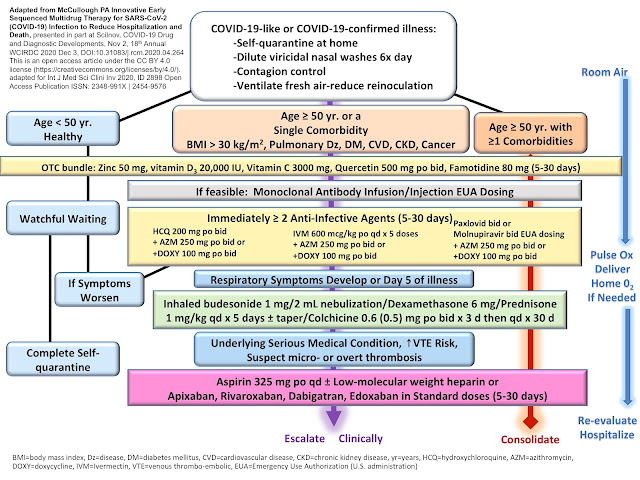
⚠️ The Problem With “Kitchen Sink” Protocols
Many viral protocols attempt to treat everything at once:
Antivirals
Anticoagulants
Steroids
Multiple supplements
The issue is not the intent—it’s execution:
❌ Lack of prioritization
❌ Weak randomized trial evidence
❌ Increased risk (bleeding, drug interactions)
❌ High cost, low clarity
👉 The smarter approach: target the dominant mechanism in each patient.
✅ The Optimized Long COVID Protocol (2026)
This is a tiered, phenotype-driven approach.
1) Foundation Layer (Highest Impact, Most Evidence)
Energy Management (“Pacing”)
The single most important intervention.
Avoid post-exertional malaise (PEM)
Use heart rate monitoring (stay <60–70% max early)
Stop activity before fatigue crash
👉 This approach is central in ME/CFS recovery models.
Sleep Optimization
7–9 hours nightly
Fixed sleep/wake schedule
Morning sunlight exposure
Optional:
Melatonin (0.5–3 mg)
Hydration + Electrolytes
Especially critical for POTS-like symptoms:
2–3 liters fluid daily
Increased sodium intake (if appropriate)
2) Core Medical Layer (Targeted Therapies)
Antihistamines (High-Yield Subgroup)
Best for patients with:
Brain fog
Tachycardia
Food sensitivities
Flushing
Protocol:
H1 blocker (cetirizine / loratadine)
H2 blocker (famotidine)
👉 Suggests mast cell activation plays a role.
Low-Dose Naltrexone (LDN)
Dose: 0.5–4.5 mg nightly
Mechanism:
Reduces neuroinflammation
Modulates microglia
Clinical effects:
Improved fatigue
Reduced brain fog
Better pain control
Autonomic Nervous System Support
For POTS phenotype:
Compression stockings
Increased fluids + salt
Low-dose beta-blockers (physician-guided)
Ivabradine (selected cases)
3) Anti-Inflammatory + Endothelial Support
Instead of aggressive drugs, prioritize low-risk, high-signal interventions:
Omega-3 Fatty Acids
1–3 g daily
Anti-inflammatory + vascular support
Vitamin D Optimization
Target: 30–50 ng/mL
Avoid megadoses
N-acetylcysteine (NAC)
600–1200 mg daily
Supports glutathione + oxidative stress reduction
Curcumin (Bioavailable Forms)
Mild but safe anti-inflammatory
4) Microclot & Vascular Considerations
The “microclot” hypothesis is under active investigation.
Reasonable approach:
Low-dose aspirin only if clinically indicated
Avoid unless specialist-guided:
Dual antiplatelet therapy
Full anticoagulation
👉 Risk (bleeding) often outweighs unproven benefit.
5) Rehabilitation Layer (Often Ignored, Highly Effective)
Breathing Therapy
Improves dyspnea
Corrects dysfunctional breathing patterns
Gradual Reconditioning
Start only after stabilization
Use low-intensity or recumbent exercise
Avoid aggressive “push through fatigue” strategies
Cognitive Rehabilitation
Structured routines
Reduced multitasking
Memory aids
6) What to Avoid or Deprioritize
❌ Routine use of Ivermectin
No strong evidence in Long COVID
Uncertain long-term safety at high doses
❌ Long-term antivirals like Paxlovid (outside acute infection)
Not standard of care
❌ Chronic steroid use
Immunosuppression risk
No proven long-term benefit
❌ “More supplements = better”
Leads to:
Higher cost
Side effects
Poor adherence
🧬 Emerging (But Not Standard Yet)
These are being studied but not routine:
Anticoagulation protocols
Metformin for inflammation modulation
SSRIs for neuroinflammation
Advanced immunotherapy approaches
🧭 The 80/20 Protocol (Minimalist Version)
If you want the highest impact with lowest risk, start here:
Pacing + sleep + hydration
Antihistamines (if symptomatic)
Low-dose naltrexone
Omega-3 + Vitamin D + NAC
Autonomic support (if POTS features)
👉 This delivers most of the benefit without unnecessary complexity.
⚖️ The Key Insight Most Protocols Miss
Long COVID is not about: “Finding the perfect drug”
It’s about: Matching the right intervention to the right biological pattern.
Patients fall into clusters:
Fatigue-dominant (ME/CFS-like)
POTS/autonomic
Neurocognitive
Inflammatory/vascular
👉 Precision > polypharmacy.
Final Takeaway
The future of Long COVID treatment is not extreme protocols—it’s intelligent layering:
Stabilize the system (sleep, pacing, hydration)
Target dominant dysfunction (immune, autonomic, vascular)
Use low-risk, high-signal interventions first
Escalate only when necessary
This approach is:
Safer
More sustainable
More aligned with emerging clinical evidence.






Comments
Post a Comment