Spike Protein Persistence and Long COVID Recovery: Evidence-Based Insights (2026)

Abstract Background: Persistent symptoms following SARS-CoV-2 infection, commonly referred to as Long COVID, affect a significant subset of patients. Spike protein persistence, immune dysfunction, and microvascular pathology have been proposed as contributing mechanisms. Objective: To review current evidence regarding spike protein persistence, immune dysregulation, microclot formation, and systemic dysfunction in Long COVID, and to summarize evidence-informed recovery strategies. Methods: A narrative review of peer-reviewed studies and public health guidance was conducted, focusing on immunology, vascular pathology, and persistent viral antigen detection in post-acute COVID-19 patients. Sources include Nature , Cell , Clinical Infectious Diseases , and The Lancet . Results: Spike protein or viral RNA may persist in some individuals for months post-infection. Persistent immune activation, microclots, endothelial dysfunction, mitochondrial impairment, and dysautonomia are documented...
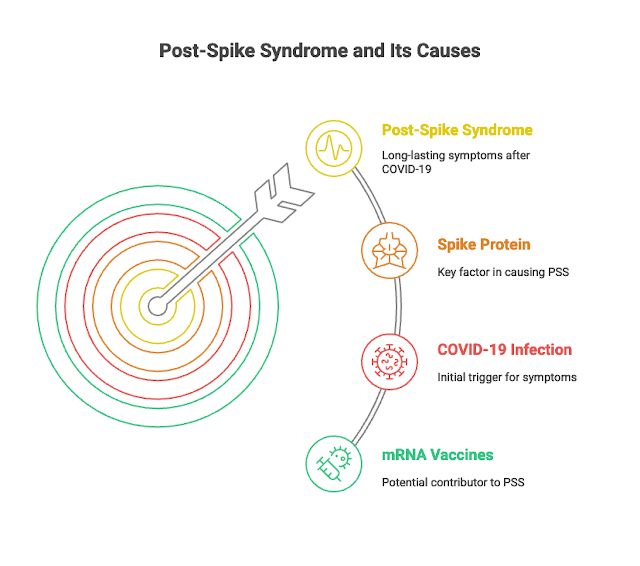.png)